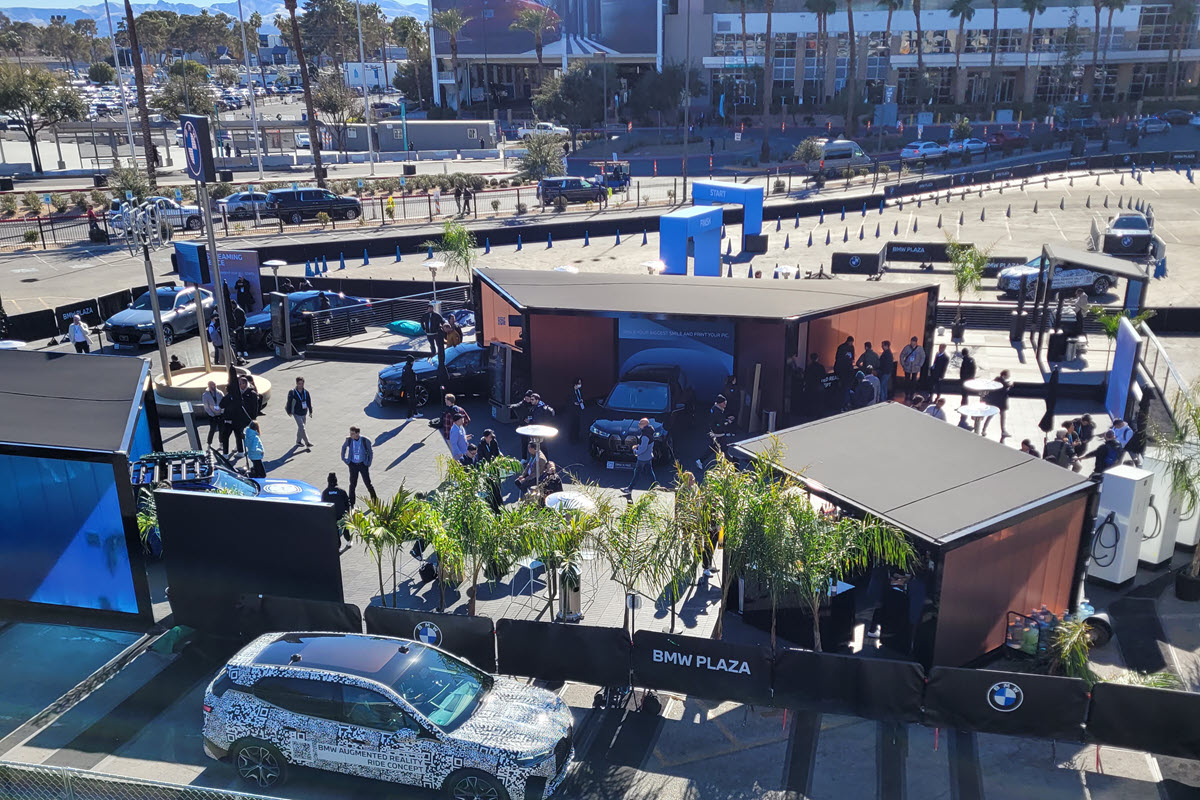
Las Vegas, now recognized as one of the world’s premier convention destinations, wasn’t always synonymous with large-scale business events and trade shows. Its transformation into the convention capital of the world has been a long and strategic journey, starting with small gatherings in the post-World War II era and growing into the massive industry that it is today. What began as a few modest events has evolved into a multi-billion dollar industry that draws millions of visitors annually, blending business with pleasure in a way no other city can.
The Early Days: Post-War Las Vegas and the Birth of Conventions
Las Vegas’ journey into the world of conventions began in the late 1940s and early 1950s. After World War II, the city’s economy was booming thanks to the growth of the gaming and entertainment industries. At that time, Las Vegas was primarily known for its casinos, live shows, and desert resorts, but city leaders quickly realized the potential of attracting business travelers and corporate events as an additional revenue stream.
One of the earliest conventions held in Las Vegas was the World Congress of Flight in 1959, a relatively modest event by today’s standards. However, it was a critical moment that demonstrated the city’s capacity to host large gatherings. This event brought international attention to Las Vegas and helped establish its reputation as a place where business and pleasure could meet in an exciting, unique environment.
Las Vegas’ first major foray into the convention business came when Las Vegas Convention Center opened its doors in 1959. This was a pivotal moment for the city, as it marked the beginning of its dedicated effort to become a destination for conventions and large-scale corporate events. The center initially offered 90,000 square feet of exhibition space—a far cry from today’s massive convention complexes, but significant for the time.
Growth Through the 1960s and 1970s: Las Vegas Becomes a Convention Destination
As Las Vegas continued to grow and expand, so did its reputation as a convention destination. The city’s location made it an appealing choice for businesses from both coasts, and its abundance of hotels, casinos, and entertainment options provided a natural attraction for convention organizers and attendees alike.
In the 1960s and 1970s, Las Vegas began hosting more significant trade shows and events. The National Association of Broadcasters (NAB) Show, one of the earliest major conventions to set up in Las Vegas, became a fixture in the city in 1975. The Consumer Electronics Show (CES) followed in 1978, eventually becoming one of the largest and most important technology trade shows in the world.
During this time, Las Vegas also became home to major events like the Automotive Aftermarket Industry Week (AAIW) and CONEXPO-CON/AGG, a construction and machinery trade show. These events drew thousands of attendees, boosting Las Vegas’ profile as a convention-friendly city with world-class amenities.
The 1980s and 1990s: The Expansion of Convention Space
The 1980s and 1990s were a period of rapid growth for the Las Vegas convention industry, driven in large part by the expansion of convention facilities. In 1990, the Las Vegas Convention Center underwent a major renovation, expanding its exhibition space to 1.6 million square feet. This expansion helped position Las Vegas as a top choice for the world’s largest trade shows and corporate events.
The 1990s also saw the opening of the Sands Expo and Convention Center in 1990, which added over 1 million square feet of convention space to the city. Located adjacent to the iconic Sands Hotel (later demolished), this new convention center helped attract even more high-profile events to the city, further solidifying Las Vegas as a top destination for both business and leisure.
Another milestone during this period was the opening of the Mandalay Bay Convention Center in 1999. With over 1 million square feet of space, this venue catered to large-scale events, helping the city accommodate the growing demand for convention space.
By the end of the 1990s, Las Vegas was firmly established as one of the world’s premier convention cities, with the infrastructure in place to handle events of all sizes.
The 21st Century: Las Vegas as a Global Convention Hub
The early 2000s marked another phase of growth and development for the Las Vegas convention scene. In 2002, the Las Vegas Convention Center expanded once again, growing its capacity to over 2 million square feet. This made it one of the largest convention centers in the world, a title it still holds today. The city also saw further development in the Venetian Congress Center and the Caesars Forum, adding even more capacity for hosting large-scale events.
By the 2010s, Las Vegas had cemented its place as the number one trade show destination in the United States, hosting 53 of the nation’s 250 largest trade shows. Some of the largest and most popular conventions in the world now call Las Vegas home, including:
- Consumer Electronics Show (CES): Held every January, CES is the world’s largest technology trade show, attracting over 170,000 attendees and 4,500 exhibitors. It showcases the latest innovations in consumer electronics, from smart home devices to groundbreaking tech gadgets.
- National Association of Broadcasters (NAB) Show: A key event for media and entertainment professionals, NAB Show draws over 90,000 attendees to Las Vegas each spring, making it one of the top conventions in the city.
- Automotive Aftermarket Industry Week (AAIW): Comprised of the SEMA Show and AAPEX, this event brings over 160,000 attendees to Las Vegas each November, making it one of the largest automotive trade shows in the world.
- CONEXPO-CON/AGG: Held every three years, this construction and machinery trade show draws over 130,000 attendees and features massive equipment displays, some of which are so large they require outdoor spaces for exhibition.
These and other major conventions attract millions of visitors to Las Vegas each year, transforming the city into a hub for industries ranging from entertainment and technology to construction and healthcare.
Conventions Today: A Multibillion-Dollar Industry
As of today, conventions are a multibillion-dollar industry in Las Vegas. According to the Las Vegas Convention and Visitors Authority (LVCVA), more than 6.6 million people visited Las Vegas in 2019 for business-related events. This accounts for nearly 15% of the city’s total visitor volume, demonstrating the significant impact that conventions have on the local economy.
Las Vegas now boasts over 11 million square feet of convention space, spread across several major venues including the Las Vegas Convention Center, Sands Expo and Convention Center, Mandalay Bay Convention Center, and the Caesars Forum. Each year, the city hosts more than 20,000 meetings, conventions, and trade shows, ranging from intimate corporate gatherings to massive global events like CES.
While the COVID-19 pandemic caused a temporary disruption to the convention industry, Las Vegas has made a strong recovery. The Las Vegas Convention Center Loop, an underground transportation system developed by Elon Musk’s The Boring Company, was completed in 2021 and is expected to revolutionize how attendees navigate large conventions, further cementing Las Vegas’ reputation as a forward-thinking city for business and events.
The Future of Conventions in Las Vegas
As Las Vegas continues to grow and evolve, the future of its convention industry looks bright. With plans for new venues and further expansion of existing facilities, the city is well-positioned to maintain its status as the world’s premier convention destination.
The city’s unique blend of business-friendly infrastructure, world-class entertainment, luxury hotels, and culinary excellence ensures that it will remain a top choice for organizations looking to host unforgettable conventions. Whether it’s tech giants unveiling their latest innovations at CES or niche industries gathering for specialized trade shows, Las Vegas will continue to be at the center of it all, drawing millions of visitors from around the world for both business and leisure.
In conclusion, what started as a few small gatherings in the 1950s has transformed into a powerhouse industry that plays a vital role in the city’s economy and identity. Today, Las Vegas is the ultimate destination for conventions, and its history is a testament to the city’s ability to grow, adapt, and thrive on the global stage.